What to Watch in PRX vs G2 at VALORANT Champions Shanghai and Why the Group Stage Clash Matters
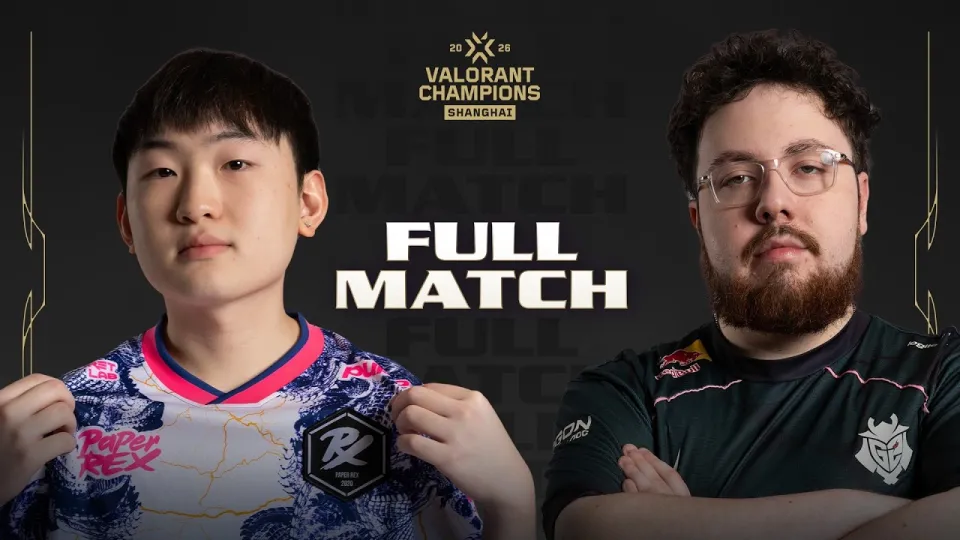
Video: PRX vs. G2 — FULL MATCH — VALORANT Champions Shanghai — Group Stage
Need articles like this for your video? They help promote it on YouTube and Google — order them in the Telegram bot @sat_sit_bot. It writes articles around your video, embeds the video and publishes them on popular niche websites (no ads). Free trial — 50 articles.
Key takeaways
- PRX vs G2 is a group stage match from VALORANT Champions Shanghai, streamed in full by the VALORANT Champions Tour channel.
- Shanghai runs from September 24 to October 18 and gathers sixteen teams from Americas, CN, EMEA and Pacific.
- Viewers flagged d4v41's Haven impact, Trent's Split form, something's mistakes and an Invy pop-off on map three.
- The broadcast drew questions about the Odin buy, a possible audio cut and a quick on-screen glimpse of Vitality and LOUD.
- Fans describe the series as a recurring banger between two rosters, with the outcome swinging on small mid-round calls.
The PRX vs G2 group stage match at VALORANT Champions Shanghai is worth watching as a full broadcast rather than a highlight reel, because the series is decided by map-by-map adaptation, economy discipline and one or two star performances that only show up across a complete viewing. For live updates, schedule changes and official announcements around the event, follow the tournament's social feed at Valorant Esports on X, which is the fastest channel the organizers use for bracket and broadcast news. The full match is published by the VALORANT Champions Tour, so the recording is the primary source for anyone who wants the untrimmed version.
Why PRX vs G2 is a fixture fans keep returning to
PRX vs G2 has become one of the most reliable cross-regional rivalries in VALORANT, because the two rosters approach the game from opposite directions and rarely produce a slow series. Paper Rex built its identity on aggressive space-taking, fast site hits and willingness to fight on the opponent's terms, while G2 tends to win through structured defaults, disciplined retakes and patient utility usage. When those styles meet, rounds compress: a single early pick can flip a half, and a saved rifle can decide a map.
The Shanghai group stage format adds pressure without elimination, which changes how teams draft. Sides can afford one experimental map, but they cannot afford to lose both pistol rounds on a map they intend to keep in the playoff pool. That tension is exactly what makes the broadcast useful as study material rather than just entertainment.
What actually happened across the maps
Across the series, the recurring theme reported by viewers was individual impact on specific maps rather than a single dominant team performance. On Haven, d4v41 was repeatedly singled out as the player carrying his side through the map, holding sites and winning the duels that kept the economy alive. On Split, Trent's play drew praise as close to flawless, which fits a map where mid control and B-main timing punish any hesitation.
The third map produced the loudest reaction of the night, with Invy popping off and shifting the momentum of the series. At the same time, viewers flagged costly moments from something, including a late-round sequence deep into the broadcast that fans read as a thrown round. That mix — one player carrying, another slipping, a third taking over — is why the match reads as a genuine back-and-forth rather than a stomp.
One unusual detail stood out: an Odin purchase that drew jokes in chat, and a brief on-screen appearance of Vitality and LOUD graphics that confused viewers about why those teams were shown during a PRX vs G2 broadcast. Both are small production quirks, but they are the kind of thing that only exists in the full VOD.
Key players and the roles that decided rounds
- d4v41 on Haven: the anchor who absorbed pressure, converted retakes and kept his team's buy structure intact.
- Trent on Split: mid-round decision-making and timing that turned even rounds into favorable fights.
- something: high-variance aggression that created openings but also produced the mistakes viewers noticed.
- Invy on the third map: the swing factor who changed the tempo when the series was still open.
For anyone studying VALORANT at a competitive level, the useful exercise is to pause on the buy phases, not the frags. Watch which team forces, which team saves, and how many ultimates are banked before a retake. That is where PRX and G2 differ most, and it explains why the series stayed close even when one side looked mechanically sharper.
Common questions viewers raise about this match
The most frequent reactions to the broadcast were not about the scoreline but about specific moments. Fans asked whether an audio dropout occurred partway through, questioned the Odin buy as a serious tactical choice, and wondered why other teams appeared on the arena screens during a match between PRX and G2. These are normal artifacts of a long live broadcast: audio issues are usually local to the stream, off-meta weapon buys are often economy-driven rather than stylistic, and on-screen graphics frequently preview upcoming fixtures.
Another theme in the comments was emotional investment. Long-time PRX supporters described the experience as tense because the team's aggressive style produces both spectacular wins and avoidable losses in the same series. That is not a flaw in the roster so much as a consequence of how it plays the game, and it is the reason neutral viewers tend to enjoy these matches.
How to get the most out of the full broadcast
Watching the full match is more valuable than a highlight cut if you care about how the series was actually decided. Use the following approach:
- Watch the pistol rounds on each map first and note which team converted them into a full buy.
- Track the first ultimate used on each side and whether it was spent on a retake or a site execute.
- Note every round where a team saved instead of forcing, and check whether that decision paid off two rounds later.
- Compare the third map's opening to the first, since both teams usually adjust their default setups after a loss.
This method turns a single group stage match into a compact lesson in economy management, map control and adaptation — the three areas that separate playoff teams from early exits at an international event.
Useful links
- Valorant Esports on X
- Valorant Esports on Facebook
- VALORANTESPORTS on Instagram
- Valorant Esports on TikTok
- VALORANT on Twitch
Final takeaway
PRX vs G2 at VALORANT Champions Shanghai is a group stage match that rewards full viewing, because its story is built from economy decisions, one anchor carrying Haven, a near-perfect Split performance and a third map swing that changed the night. The series also shows why these two organizations keep producing entertaining games: contrasting styles force both teams out of their comfort zone, and the mistakes are as instructive as the highlights. For anyone following the event, the VALORANT Champions Tour channel is the source of the complete broadcast and the best place to see the rounds that highlight reels cut out. Keep Valorant Esports on X open for the official schedule, bracket updates and stream announcements as the tournament continues.
Questions & answers
Is PRX vs G2 at VALORANT Champions Shanghai worth watching in full?
Yes, because the series is decided by economy management and map-by-map adjustments rather than one dominant performance. Highlights show the frags, but the full broadcast shows the saves, force buys and ultimate timings that actually swing rounds. Viewers also caught small production moments, such as a weapon choice that drew jokes and a brief graphic of other teams, that only exist in the VOD.
Which players stood out in this match?
Viewers highlighted d4v41 for carrying his team on Haven and Trent for a near-perfect performance on Split. Invy was praised for popping off on the third map, while something drew criticism for costly mistakes, including a late-round sequence that fans read as a thrown round. Together those performances explain why the series stayed competitive.
Why did the broadcast show other teams like Vitality and LOUD during the match?
On-screen graphics during a long live broadcast often preview upcoming fixtures or promote other parts of the tournament, so unrelated team names can appear between maps or during breaks. It does not reflect the match being played. The same applies to brief audio issues, which are usually local to the stream rather than a problem with the event itself.
What can players learn from watching this group stage series?
Focus on the buy phases rather than the scoreboard: note which team forces, which team saves, and how many ultimates are banked before a retake. Comparing the opening of the third map with the first shows how both teams adjust their defaults after a loss. That approach turns one match into a practical lesson in economy discipline, map control and mid-series adaptation.
Source: PRX vs. G2 — FULL MATCH — VALORANT Champions Shanghai — Group Stage · Markdown version